The Final Discussion (Sad :()
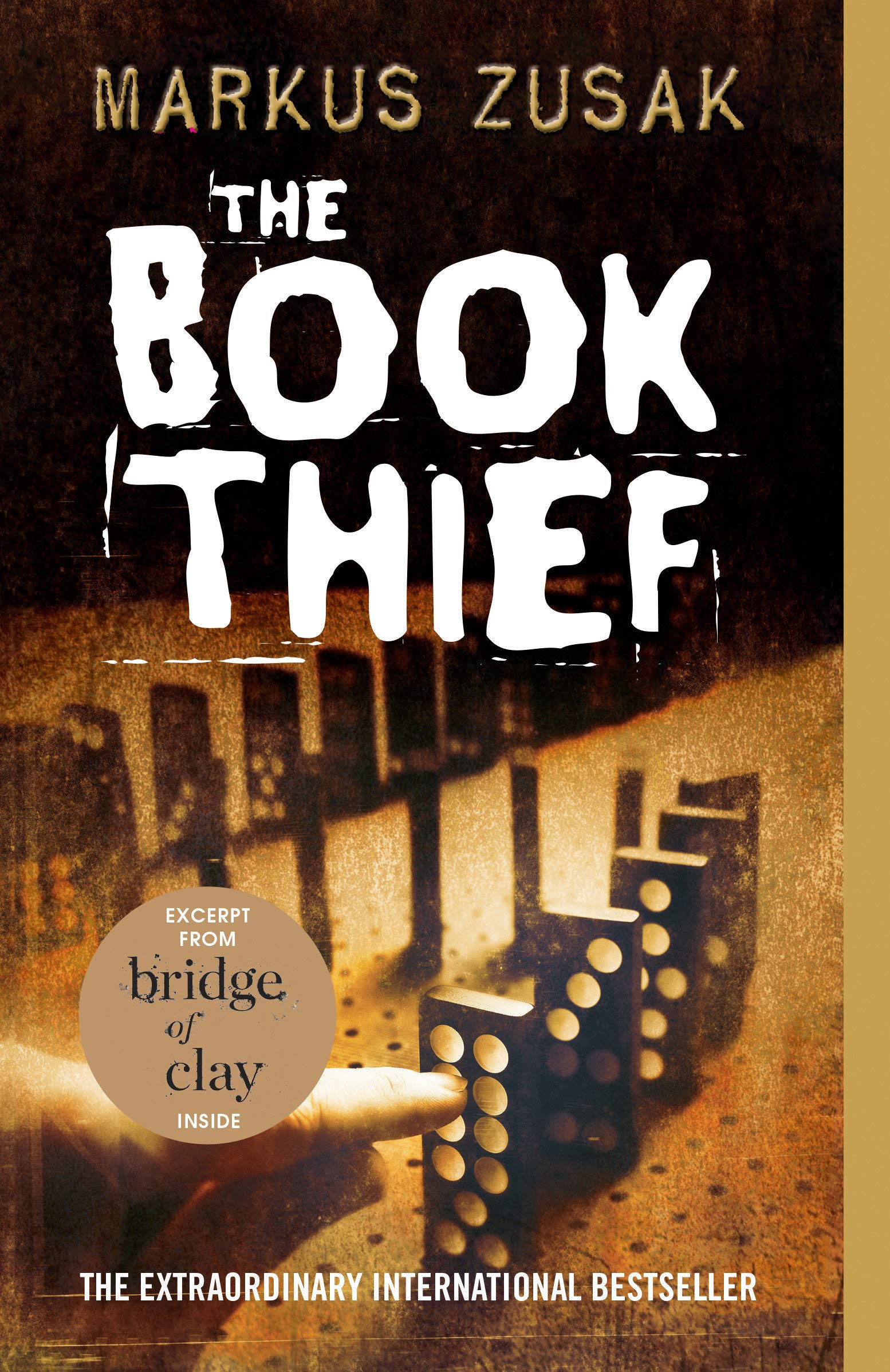
1. I choose The Book Thief by Markus Zusak to justify and bring into the district’s curriculum.
School Board: Hi Ms. Maddie, I don’t believe you should be able to bring this book into the district’s curriculum because we teach only the greatest literature, and that automatically eliminates children’s and young adult literature from consideration. We don’t demean our students. Also, why have kids spend time in class reading something they can easily read on their own?
My Response: I understand your concerns however I feel The Book Thief by Markus Zusak is a great read for students not only because of the plot but because of theme, morals, and character development. Students can connect with some of the scenarios and even learn more about events such as World War Two. It’s a great read and overall it’s easy to connect to the characters and feel emotion and sympathy for them while reading. As to address your concerns why aren’t all books considered to be great literature? Children’s and young adult literature is one of the best literature as young readers can learn so much and take away lessons from the book to adapt to their own lives. Being able to connect to pieces of the book and take pieces away from the book is a great aspect of reading and a way to developmentally read and comprehend better. Why take away options of reading. Taking away options of reading can limit the number of books students get to choose from. When we start limiting what they can read it starts limiting their reading habits. Some choose not to read or that they even hate reading. We can’t limit what are students read as it only causes more damage in the end. To address your second concern do you believe students are going to read outside of school? Yes, some do however it’s not as common anymore. Reading in groups or reading within class time gives them opportunities. They may be able to read at home, but then it’s just reading, they don’t get the lessons taught about the theme, morals, character development, etc. It’s so much more than just reading a book while sitting there. Overall, I feel we shouldn’t limit literature in our school and we shouldn’t expect that all students are getting taught from just simply reading a book on their own everything there is to experience in a book, it’s our job to dive in deeper with students in the book and teach them and not limit what they can and can’t read.
____________________________________________________________________________
2. Children’s literature and young adult literature are different when it comes to the age groups reading that specific literature. There are also different aspects within those novels as well. When it comes to children’s literature I feel it’s more read within an elementary school. Children’s literature is simply more careful, in my opinion, when it comes to illustrations and colors used as at the earlier stages they are just learning how to read and make predictions and use the illustrations to tell the story. They let their imaginations run free as they read and it helps when it comes to the lines, movement, colors in a book. At this point, it’s a learning point for children’s literature and they can use context clues from the book. Also, for this age rhymes is also beneficial as it does add that piece and sense of entertainment to the children while they read. While doing so, they often use relatable characters as well so the reader feels connected while reading. On the other hand, when it comes to young adult literature I feel the criteria is a bit different. Young adult literature is more for middle school and high school students and it’s more connected to events in their lives that they may experience or are going through currently. This adds to the piece of being able to connect while you read or even learn something while you read. This is where lessons and themes from the book can be applied to the reader’s lives the most. Age is important when it comes to who the book is directed for as well! In all seriousness, I would have never known all of this information without taking this class! Lots of information has been gained!
When it comes to a children’s book that fits the definition and criteria of including illustrations with movement, color, lines, etc, and including relatable characters, and language used within the novel. I feel a great children’s literature read would include Green Eggs and Ham by Dr. Seuss. I say this because while reading it has rhymes and repetition within the book and it’s an entertaining piece of literature for a child. “Would you eat them in a box? Would you eat them with a fox?” You see those rhyming aspects in the novel and it adds so much more than you think while reading. It also has lessons and morals within the book that comes from the characters being able to be relatable. Then while reading, you can see the movement in the pictures and the colors and lines used as well. Also, the voice and language are easy to read and understand and great for those children’s books! So much goes into Dr. Seuss’s books and I feel they are great reads overall.

When it comes to a young adult literature book that fits the definition of being relatable and being able to connect and learn about similar events within the reader’s life, I would say Aristotle and Dante by Benjamin Sáenz. I choose this piece of literature because Aristotle and Dante do have different families and lives. They have those aspects that make them different from each other. Not everyone is similar, everyone goes through different events in their life and it’s ok. There are different events within this piece of literature that can be used and be easily connected to the reader’s life. For example, getting a license, getting a car, getting a dog, fights, love, etc. So many events can be connected to the reader’s life in this short but sweet novel. “I have a new dog! Her name is legs because I found her the day I got my legs back. She followed me home from the park… I got my license” (Sáenz 192 & 203). It’s simple events like this that the reader can connect with and it’s easy to follow.

Overall, we can use this as teachers and add more to their learning and understanding when talking about themes, morals, and lots more! So much goes into reading and it’s crazy to think how much you can take away while reading literature. Why children’s literature and young adult literature have their differences they are similar in a way as well. The voice, language, illustrations, and more are different but it’s the way the book is written and connected to the reader that can be similar. You learn and gain information and takeaway while reading.


Comments
Post a Comment